

In stock
Window Tint


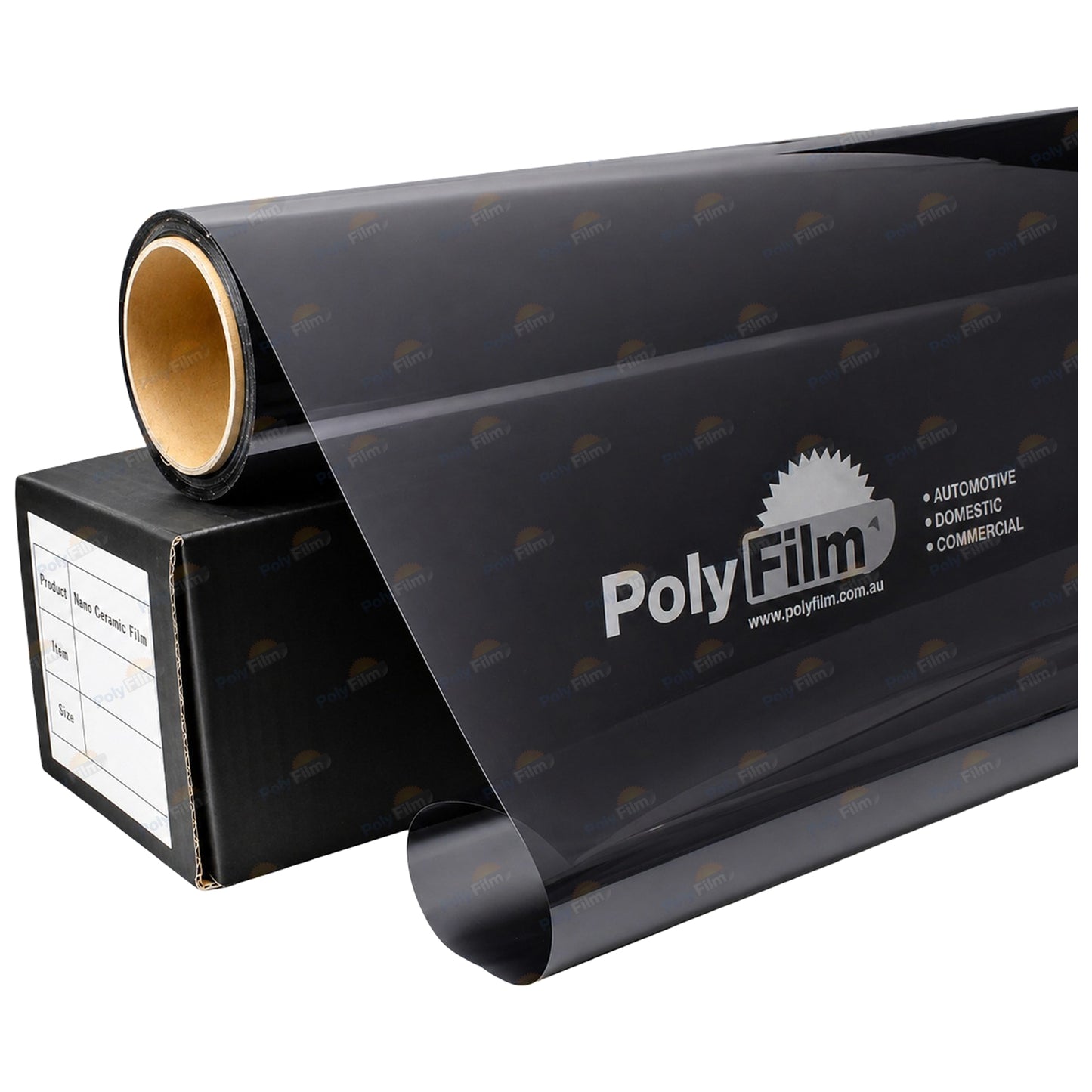
Ultimate Window Film Protection & Style
Upgrade your vehicle, home, or commercial space with our professional-grade window film. Engineered for superior performance, our films deliver unmatched protection, comfort, and style, addressing all your specific needs - from cutting-edge thermal rejection to robust safety.

Effective Heat & Glare Reduction: Enjoy a cooler, more comfortable interior year-round.

Maximum UV Protection: Blocks harmful UV rays, safeguarding skin and preventing fading of interior furnishings.

Enhanced Privacy & Security: Increases discretion without sacrificing clarity from the inside.

Improved Energy Efficiency: Reduces reliance on AC/heating, leading to lower energy bills.

Durable, Sleek, and Professional: Built to last with a clean, high-end finish.
Window Film Type Comparison
|
|
|
|
|
||||
|---|---|---|---|---|---|---|---|
| Visible Light Transmission (VLT) | 65% - 5% | 35% - 5% | 35% - 5% | 89% | |||
| Durability | High | Ultra | High |
|
|||
| UV Rejection (UVR) | 99% | 99% | 99% | 99% | |||
| Heat Rejection (TSER) | 37% - 79% | 68% - 89% | 75% - 95% | ||||
| Infrared Rejection (IRR) | 35% - 65% | 69% - 84% | 35% - 95% | ||||
| Scratch Resistance | >2H* | >2H* | |||||
| Anti Shatter Protection |
|
||||||
|
|
|
|
|---|---|---|
| Visible Light Transmission (VLT) | 65% - 5% | 35% - 5% |
| Durability | High | Ultra |
| UV Rejection (UVR) | 99% | 99% |
| Heat Rejection (TSER) | 37% - 79% | 68% - 89% |
| Infrared Rejection (IRR) | 35% - 65% | 69% - 84% |
| Scratch Resistance | >2H* |
|
|
|
||||
|---|---|---|---|---|---|
| Visible Light Transmission (VLT) | 35% - 5% | 89% | |||
| Durability | High |
|
|||
| UV Rejection (UVR) | 99% | 99% | |||
| Heat Rejection (TSER) | 75% - 95% | ||||
| Infrared Rejection (IRR) | 35% - 95% | ||||
| Scratch Resistance | >2H* | ||||
| Anti Shatter Protection |
|
||||
Choosing the perfect film
VLT Comparison Preview
Choose an application, film type, and VLT to preview your perfect tint.


Disclaimer: Preview may differ from final product due to lighting, photography, and screen display variations...
Beat the Heat (and the Cold) with PolyFilm


How to Apply Window Tints
-

How to Apply Window Film to Domestic and Commer...
Beat the Heat (and the Cold) with DIY installation for your Home or Office. Tinting your home’s or commercial windows will keep you cooler in summer and warmer in winter...
How to Apply Window Film to Domestic and Commercial ...
Beat the Heat (and the Cold) with DIY installation for your Home or Office. Tinting your home’s or commercial windows will keep you cooler in summer and warmer in winter...
Read More -

How to Apply Window Film to Your Vehicle
DIY Guide for Rear & Side Window Tint Installation Beat the Heat (and the Cold) with a professional-looking window tint — done by you! Tinting your vehicle windows doesn’t just...
How to Apply Window Film to Your Vehicle
DIY Guide for Rear & Side Window Tint Installation Beat the Heat (and the Cold) with a professional-looking window tint — done by you! Tinting your vehicle windows doesn’t just...
Read More


Vehicle Window Tinting
Got questions about tinting your car?
Here's everything you need to know to stay safe and legal.
Do I need a heat gun to install window tint for my car/vehicle?
No, you don't need a heat gun for flat surfaces. For some vehicles, a heat gun can help shape the film to suit curved windows (e.g. dome-shaped rear windows).
How do I check if I have factory window tint on my car/vehicle?
If you are unsure, you should check with the vehicle manufacturer before purchasing window tint film.
Can I apply window tint to my car/vehicle if I have factory tinted glass?
Yes, as long as you ensure the VLT% remains within legal limits. Applying tint to factory tinted glass may reduce visibility and push you below the legal VLT threshold.
Are there special vehicle exemptions for window tinting?
Yes. Goods or service vehicles, trucks, and heavy equipment may be subject to different rules. There are also exemptions for medical reasons—check with your state or territory roads department for details.
Why should I tint my vehicle windows within the law?
Illegal tint can void or complicate your insurance in the event of an accident. You could also be fined. It's not worth the risk, especially when visibility is compromised during night driving.
Can I be fined for old tint on my car/vehicle?
Yes, if it obscures your view. Tint that is peeling, bubbling, turned purple, or otherwise damaged should be removed or replaced to avoid fines.
Are you considering darker-than-legal window tint?
Dark tint may look "cool" but greatly reduces visibility and is illegal. It may also void your insurance or be deemed a contributing factor in an accident. Fines may apply.
Home & Office Window Tinting
Find out whether you need special tools to install tint in
residential or commercial spaces.
Do I need a heat gun to install window tint in my home or office?
No, a heat gun isn’t necessary for flat surfaces. It can help for curved or non-flat windows.
Window Tinting Terms & Technology
Not sure what VLT or IRR means? We’ve got the basics covered.
What does "VLT" mean for window tinting film?
VLT stands for "Visible Light Transmission"—the percentage of visible light that passes through the window. Lower VLT means a darker tint, higher VLT means a lighter tint.
What does "UV rejection" mean for window tinting film?
UV rejection refers to the film's ability to block ultraviolet light (less than 5% of sunlight), which is important in Australia due to high UV levels and associated skin cancer risk.
What does "infrared rejection" mean for window tinting film?
Infrared (IR) accounts for around 50% of sunlight. Infrared Rejection (IRR) is the percentage of IR radiation the film repels. For example, 65% IRR means 35% IR is let through. Note: IRR only refers to IR, not total heat rejection.